Thursday, 24 September 2015

charminar love story

new information | 09:48

The love story of Quli Qutub and Bhagmati, and other tragic endings

Still from an animation film, 'Bhaggmati'
Still from an animation film, ‘Bhaggmati’
For some strange reason, all, or almost all love legends have a tragic end. I cannot recall too many that end with “and they lived happily ever after”. In fact, Romeo-Juliet, Laila-Majnun, Heer-Ranjha, Sohini-Mahiwal, Sassi-Pannun, Dhola-Maru, Saif-ul-Malook-o-Badi-uj-Jamaal – the list of unhappy lovers separated by the cruel hands of society, scheming relatives, jealous rivals, misunderstandings and plain simple divine design is endless.
Amidst such tears and tragedies, poison-tipped swords and daggers, deceit and chicanery, there is a story of love that makes you believe that this world can’t be all bad. The most fascinating and enduring quality of this legend of love is that it is not a legend, it is fact, well mostly. And this is how it goes.
The fifth king in a dynasty that lasted over 170 years, comes to the throne at a very young age. He also falls in love at a very young age. What is not clear is the sequence: did he fall in love first or did he become king first? From all accounts both happened when he was in his teens. If he fell in love before becoming king then he must have had an extremely open minded and level headed father. And the subjects would have had a tolerant king, the story as it is told and retold would seem to suggest that the prince fell in love first and this would also underscore the fact that his father had been a large hearted and tolerant ruler.
It is said that the prince was passing through a village, not far from the capital, when he came across a very beautiful woman and fell head over heels in love with her, the woman also reciprocated the sentiments and they began to meet regularly though surreptitiously. The meetings were surreptitious perhaps because the prince was not sure how this relationship could be utilised against him by his rivals, the woman was not royalty and it is said that she was a dancer and a singer.
Her village was across the river from the palace and at least on one occasion the prince had to risk his life while crossing the river. The river was in spate and seemed intent on drowning the village of his beloved; the prince urged his horse to jump into the raging torrent, somehow made to the other shore and succeeded in rescuing her.
The king was worried at these infantile displays of bravado but being the kind of man he was he knew that he won’t be able to stop his son from crossing the river at the most inappropriate moments and so the king  got a bridge built across the river. Were fathers like this in those days? Sounds too much like a fairy tale already, doesn’t it? But wait, there is more.
The prince was born in 1565; he came to the throne after the death of his father in 1580 and ruled till 1611. This made him a contemporary of Akbar for the last 25 years of Akbar’s 49 year rule, and a contemporary of Jahangir for the first 6 of 21 years of Jahangir’s reign. Some say that at the time of his coronation, he prince was only fifteen, others insist he was 17. They got into politics and fell in love early in those days didn’t they?
Shortly after becoming king he married his lady love and built a new capital city that he named after his beloved, now his queen. Almost a decade after their marriage a daughter was born to the royal couple. The daughter was later married to a nephew of the king and eventually became queen when her husband succeeded his uncle to the throne.
The name of the prince was Mohammad Quli Qutub Shah. The name of his beloved queen wasBhagmati and the city that he named after her was initially known as Bhaganagar but was later renamed Hyderabad once Bhagmati was given the title Hyder Mahal.
Hyderabad was a beautiful city with palaces, gardens, religious and secular buioldings and well laid out roads the centre-piece of the city was Charminar.
The Qutub Shahi rulers who earlier ruled from Golconda Fort now shifted their capital to Hyderabad and continued to exist independently of the mighty rulers of the North. The reign of the Qutub Shahi rulers started in 1518, a year after Ibrahim Lodi came to the throne in North India and continued till 1687, till the latter half of the reign of Aurangzeb, who finally conquered the Deccan in that year.
Hyderabad gradually grew into a city that brought together an aesthetic of life that rivalled or even surpassed many other princely states that had grown in the wake of the collapse of the Mughals and the rise of the British.
After Aurangzeb had defeated the last of the Qutub Shahi kings, Abul Hasan Qutub Shah, Hyderabad became one of the provinces of the Mughals that was to break away like Awadh in the early decades of the 18th century to be ruled by the descendents of Qamar-ud-Din Khan who was appointed Nizam-ul Mulk in 1717 by Farrukh Seyar and given the title Asif Jah by Mohammad Shah in 1725.
The rise of Hyderabad had its roots in the emergence of the Bahmani kingdom. The region broke away from the Delhi Sultanate in 1347 when as a consequence of a revolt against Mohammad bin Tughlaq, Al’a-ud-Din Hasan Bahman Shah became the first Sultan of the new kingdom.
The Bahmani kingdom lasted for 171 years, before breaking up, from 1518, into five smaller kingdoms that came to be known as the Deccani Sultanates namely the Qutubshahi of Golconda (Hyderabad), the Nizamshahi of Ahmednagar, the Adilshahi of Bijapur, the Imadshahi of Varhad and the Baridshahi of Bidar.
The kingdoms or their parts were gradually annexed, first into the Mughal empire in the late 17th century and finally, after being nibbled into by the Marathas and the Portuguese, as loyalists of the British.
The one outstanding feature of the kingdoms of this region was their contribution to literature and culture and a certain sensitivity to religious plurality and encouragement to cultural fusion, influenced no doubt by the message of tolerance preached by Khwaja Banda Nawaz Gesu Daraz who had shifted from Delhi to Gulbarga, the early Capital of the Bahmani Sultans.
Khawaja Banda Nawaz, disciple and successor of Khwaja Naseer-ud-Din Roshan Chraagh-e-Dehli was the first major Chishti Sufi to go and settle south of the Vindhyas.
While breaking away from the Delhi Sultanate the Bahmani kings were keen to develop their own identity and chose not Persian but the locally spoken Deccani as the court language. “Deccani” was a language that had arrived in this region as “Hindavi” at the time of Al’a-ud-Din Khilji and had over the decades borrowed heavily from Telugu, Kannada and Marathi- languages spoken in the territories controlled by Bahman Shah. The language of the streets was lifted to the status of court language and it unleashed an upsurge of creativity.
The earliest works of literature to come out of this region was the first Masnavi-ballad- of Urdu called Kadam Rao-Padam Rao, The story of the valour of two princes who were brothers. Was written by Fakhr-e-Deen Nizami  of Bidar between 1421-1434. Mohammad Quli Qutub Shah is credited to be the first poet with a complete Anthology in Deccani.
The Bahmanis had adopted habits, cultural practices and languages of their subjects and it was this trait that eventually led to the emergence of the tolerant traditions of this entire region, testimony to the fact till the beginning of communalisation of politics in the 1920s and 30s there is no record of any communal riot or tension in the region. In fact 1938 was the first time that a communal riot took place in Hyderabad.
It is in the backdrop of a scenario such as this that one needs to view the current bout of communal tension around Charminar. Charminar that has over the last four centuries become as much of an icon for Hyderabad as the Arc de Triomphe is for Paris.
The entire trajectory of the dispute about locating the temple of Bhagyalakshmi on one of the pillars of Charminar seems clearly designed to strike at the very roots of the syncretic tradition of Hyderabad.
Historical references, traditions, popular beliefs and literary creations belonging to the time of Mohammad Quli Qutub Shah and Bhagmati like Qutub Mushtari written by Mullah Wajahi are all mixed up in the story of Hyderabad and this is the narration that you would popularly hear.
Bhagmati came from a village called Chichlam, the village was located on the south bank of the River Musi about 10 kilometre from Golconda -the capital city and fort of the Qutub Shahi Kings. It was at Chichlam that Quli Qutub Shah built the City of Bhaganagr, named after his queen and when she converted to Islam and was given the title Hyder Mahal, the city was given the name Hyderabad.
This is the story that is popular and has been popular among the people of Hyderabad, not only the city but the erstwhile state of Hyderabd, the story of two lovers who did not care about religious orthodoxy, about court intrigues, about the ill that people spoke about women who danced and sang, they faced all that and eventually conquered all opposition and proved the truth of the Latin adage by Virgil “Omnia vincit amor et nos cedamus amori”  “love Conquers all let us all yield to love”.
From then till the early 1970s there is no mention of any goddess Bhagyalakshmi. In fact there is no history anywhere of the worship of Bhagyalakshmi. Bhaganagar was named after Bhagmati and not a goddess called Bhagyalakshmi. Bhaganagar itself had a rather ephemeral existence it was fashioned out of Chichlam and a few years later turned into Hyderabad, just as soon as the Lady, after whom the city was named,  decided to accept a new title.
And so the myth of goddess Bhagyalaksh was created, a shallow tradition with no antiquity, the temple was devised to invent this tradition as within this tradition lay the seeds of dissension and strife. The annual processions that began soon thereafter and the ploy of resting the idol on one of the pillars in mid 70s and coming back the next day to claim that once the goddess had rested at the site a temple had to come up at that exact spot was designed to irrigate and nurture the seeds into a harvest of hatred.
And this is precisely what has happened. What takes the cake is the fact that the local administration, the state Archaeology department and the state government no one said a word no one tried to stop the encroachment and year after year the encroachment continues to grow the ASI and the Government of India too seem to look the other way.
One reason, the basic reason, for this unconcern is our attitude to heritage, we do not view heritage as something that the past has bequeathed us, we have divided our heritage in denominational hues and in terms of our and theirs. What is ours needs to be saved, what is theirs needs to be encroached, removed or obliterated.
This is a game that two sides can play endlessly, there is one group, claiming the same faith as did Bhagmati, that wants to change the name of Hyderabad to Bhagyanagar, after a deity that they have created after distorting the name of a courtesan/singer that they would not treat as an equal. And through this distortion of History they want to obliterate the name of this brave woman who married for love.
And then there is this group, not a large group as yet, but is exists and claims to belong to the same faith as Quli Qutub Shah  and this group has been denying the existence of Bhagmati altogether, insisting that these are baseless myths and tales spread by the ignorant.
All this obviously inflicts irreparable damage upon our heritage and yet unmindful of the goings on or perhaps fully aware of the consequences  upholders of our constitution calculate complicated algorithms of victory come the next hustings.
And so this is another love story that has been vitiated by those who thrive on hate.

Tuesday, 22 September 2015

prema katha

new information | 10:26

raju mahashahe love storyhttp://newinformation55.blogspot.com

rajula
राजुला का एक चित्र
हिमालय का सौन्‍दर्य जितना आकर्षक है उतनी ही सुन्‍दर प्रेम कहानियां यहां की लोक कथाओं और गीतों में दिखाई देती हैं। उत्‍तराखंड के विभिन्‍न हिस्‍सों में प्रेम कहानियां लोकगथाओं के रूप में जन जन तक पहुंची हैं, हालांकि यह अधिकतर राजघरानों से जुड़ी हैं लेकिन वह आम आदमी तक प्‍यार का संदेश छोड्ने में कामयाब रही हैं, हरूहीत और जगदेच पंवार की कहानी तो है ही रामी बौराणी का अपने पति के इंतजार में सालों गुजारना उसके समर्पण को दर्शाता है, इन सबसे बढ्कर राजुला मालूशाही की अमर प्रेम कथा है जो प्रेम का प्रतीक मानी जाती है। उत्‍तराखण्‍ड की लोककथाओं में प्रेम कथाओं का विशेष महत्‍व हें यह लोक गाथाओं के रूप में गाई जाती है, हालांकि अलग अलग हिस्‍सों में इन कहानियों को अपनी तरह से लोक गायकों ने प्रस्‍तुत किया है लेकिन जब समग्रता से इसे देखते हैं तो कुछ कहानियां ऐसी हैं जिन्‍होंने उन पात्रों को आज भी गांवों में जीवंत रखा है। यहां प्रचलित कहानियों की पृष्‍ठभूमि में विषम भौगोलिक परिस्थितियों से उपजी दिक्क्तें साफ झलकती हैं। राजुला मालूशाही की गाथा कितनी अमर है इसका अनुमान इसी बात से लगाया जा सकता है साइबर युग में जहां प्रेम की बात संचार माध्‍मों से हो रही हो वहां भोट की राजुला का वैराट, चौखुटिया आने और मालूशाही का भोट की कठिन यात्रा प्रेमियों का आदर्श है।
कुमाऊं और गढ्वाल में प्रेम गाथायें झोड़ा, चांचरी, भगनौले और अन्‍य लोक गीतों के माध्‍यम से ग्रामीण क्षेत्रों में सुनी सुनाई जाती रही हैं, मेले इनको जीवन्‍त बनाते हैं। राजुला मालूशाही पहाड् की सबसे प्रसिद्व अमर प्रेम कहानी है। यह दो प्रेमियों के मिलन में आने वाले कष्‍टों, दो जातियों, दो देशों, दो अलग परिवेश में रहने वाले प्रेमियों की कहानी है। सामाजिक बंधनों में जकड़े समाज के सामने यह चुनौती भी थी। यहां एक तरफ बैराठ का संपन्‍न राजघराना है, वहीं दूसरी ओर एक साधारण व्‍यापारी, इन दो संस्कृतियों का मिलन आसान नहीं था। लेकिन एक प्रेमिका की चाह और प्रेमी का समर्पण पेम की एक ऐसी इबारत लिखता है जो तत्‍कालीन सामाजिक ढ्ाचे को तोड्ते हुए नया इतिहास बनाती है।
राजुला मालूशाही की जो लोकगाथा प्रचिलत है वह इस प्रकार है- कुमांऊं के पहले राजवंश कत्‍यूर के किसी वंशज को लेकर यह कहानी है, उस समय कत्‍यूरों की राजधानी बैराठ वर्तमान चौखुटिया थी। जनश्रुतियों के अनुसार बैराठ में तब राजा दुलाशाह शासन करते थे, उनकी कोई संतान नहीं थी, इसके लिए उन्‍होंने कई मनौतियां मनाई। अन्‍त में उन्‍हें किसी ने बताया कि वह बागनाथ (बागेश्वर) में शिव की अराधना करे तो उन्‍हें संतान की प्राप्‍ति हो सकती है। वह बागनाथ के मंदिर गये वहां उनकी मुलाकात भोट के व्‍यापारी सुनपत शौका और उसकी पत्‍नी गांगुली से हुई, वह भी संतान की चाह में वहां आये थे।  दोनों ने आपस में समझौता किया कि यदि संतानें लड्का और लड्की हुई तो उनकी आपस में शादी कर देंगें। ऐसा ही हुआ भगवान बागनाथ की कृपा से बैराठ के राजा का पुत्र हुआ, उसका नाम मालूशाही रखा गया। सुनपत शौका के घर में लडकी हुई, उसका नाम राजुला रखा गया।  समय बीतता गया, जहां बैराठ में मालू बचपन से जवानी में कदम रखने लगा वहीं भोट में राजुला का सौन्‍दर्य लोगों में चर्चा का विषय बन गया। वह जिधर भी निकलती उसका लावण्‍य सबको अपनी ओर खींचता था।
पुत्र जन्म के बाद राजा दोलूशाही ने ज्योतिषी को बुलाया और बच्चे के भाग्य पर विचार करने को कहा। ज्योतिषी ने बताया कि “हे राजा! तेरा पुत्र बहुरंगी है, लेकिन इसकी अल्प मृत्यु का योग है, इसका निवारण करने के लिये जन्म के पांचवे दिन इसका ब्याह किसी नौरंगी कन्या से करना होगा।”  राजा ने अपने पुरोहित को शौका देश भेजा और उसकी कन्या राजुला से ब्याह करने की बात की, सुनपति तैयार हो गये और खुशी-खुशी अपनी नवजात पुत्री राजुला का प्रतीकात्मक विवाह मालूशाही के साथ कर दिया।  लेकिन विधि का विधान कुछ और था, इसी बीच राजा दोलूशाही की मृत्यु हो गई। इस अवसर का फायदा दरबारियों ने उठाया और यह प्रचार कर दिया कि जो बालिका मंगनी के बाद अपने ससुर को खा गई, अगर वह इस राज्य में आयेगी तो अनर्थ हो जायेगा। इसलिये मालूशाही से यह बात गुप्त रखी जाये।
धीरे-धीरे दोनों जवान होने लगे….राजुला जब युवा हो गई तो सुनपति शौका को लगा कि मैंने इस लड़की को रंगीली वैराट में ब्याहने का वचन राजा दोलूशाही को दिया था, लेकिन वहां से कोई खबर नहीं है, यही सोचकर वह चिंतित रहने लगा।
एक दिन राजुला ने अपनी मां से पूछा कि
” मां दिशाओं में कौन दिशा प्यारी?
पेड़ों में कौन पेड़ बड़ा, गंगाओं में कौन गंगा?
देवों में कौन देव? राजाओं में कौन राजा और देशों में कौन देश?”
उसकी मां ने उत्तर दिया ” दिशाओं में प्यारी पूर्व दिशा, जो नवखंड़ी पृथ्वी को प्रकाशित करती है, पेड़ों में पीपल सबसे बड़ा, क्योंकि उसमें देवता वास करते हैं। गंगाओं में सबसे बड़ी भागीरथी, जो सबके पाप धोती है। देवताओं में सबसे बड़े महादेव, जो आशुतोष हैं। राजाओं में राजा है राजा रंगीला मालूशाही और देशों में देश है रंगीली वैराट”
तब राजुला धीमे से मुस्कुराई और उसने अपनी मां से कहा कि ” हे मां! मेरा ब्याह रंगीले वैराट में ही करना। इसी बीच हूण देश का राजा विक्खीपाल सुनपति शौक के यहां आया और उसने अपने लिये राजुला का हाथ मांगा और सुनपति को धमकाया कि अगर तुमने अपनी कन्या का विवाह मुझसे नहीं किया तो हम तुम्हारे देश को उजाड़ देंगे। इस बीच में मालूशाही ने सपने में राजुला को देखा और उसके रुप को देखकर मोहित हो गया और उसने सपने में ही राजुला को वचन दिया कि मैं एक दिन तुम्हें ब्याह कर ले जाऊंगा। यही सपना राजुला को भी हुआ, एक ओर मालूशाही का वचन और दूसरी ओर हूण राजा विखीपाल की धमकी, इस सब से व्यथित होकर राजुला ने निश्च्य किया कि वह स्व्यं वैराट देश जायेगी और मालूशाही से मिलेगी। उसने अपनी मां से वैराट का रास्ता पूछा, लेकिन उसकी मां ने कहा कि बेटी तुझे तो हूण देश जाना है, वैराट के रास्ते से तुझे क्या मतलब। तो रात में चुपचाप एक हीरे की अंगूठी लेकर राजुला रंगीली वैराट की ओर चल पड़ी।
वह पहाड़ों को पारकर मुनस्यारी और फिर बागेश्वर पहुंची, वहां से उसे कफू पक्षी ने वैराट का रास्ता दिखाया। लेकिन इस बीच जब मालूशाही ने शौका देश जाकर राजुला को ब्याह कर लाने की बात की तो उसकी मां ने पहले बहुत समझाया, उसने खाना-पीना और अपनी रानियों से बात करना भी बंद कर दिया।  लेकिन जब वह नहीं माना तो उसे बारह वर्षी निद्रा जड़ी सुंघा दी गई, जिससे वह गहरी निद्रा में सो गया। इसी दौरान राजुला मालूशाही के पास पहुंची और उसने मालूशाही को उठाने की काफी कोशिश की, लेकिन वह तो जड़ी के वश में था, सो नहीं उठ पाया, निराश होकर राजुला ने उसके हाथ में साथ लाई हीरे की अंगूठी पहना दी और एक पत्र उसके सिरहाने में रख दिया और रोते-रोते अपने देश लौट गई। सब सामान्य हो जाने पर मालूशाही की निद्रा खोल दी गई, जैसे ही मालू होश में आया उसने अपने हाथ में राजुला की पहनाई अंगूठी देखी तो उसे सब याद आया और उसे वह पत्र भी दिखाई दिया जिसमें लिखा था कि ” हे मालू मैं तो तेरे पास आई थी, लेकिन तू तो निद्रा के वश में था, अगर तूने अपनी मां का दूध पिया है तो मुझे लेने हूण देश आना, क्योंकि मेरे पिता अब मुझे वहीं ब्याह रहे हैं।”   यह सब देखकर राजा मालू अपना सिर पीटने लगे, अचानक उन्हें ध्यान आया कि अब मुझे गुरु गोरखनाथ की शरण में जाना चाहिये, तो मालू गोरखनाथ जी के पास चले आये।
गुरु गोरखनाथ जी धूनी रमाये बैठे थे, राजा मालू ने उन्हें प्रणाम किया और कहा कि मुझे मेरी राजुला से मिला दो, मगर गुरु जी ने कोई उत्तर नहीं दिया। उसके बाद मालू ने अपना मुकुट और राजसी कपड़े नदी में बहा दिये और धूनी की राख को शरीर में मलकर एक सफेद धोती पहन कर गुरु जी के सामने गया और कहा कि हे गुरु गोरखनाथ जी, मुझे राजुला चाहिये, आप यह बता दो कि मुझे वह कैसे मिलेगी, अगर आप नहीं बताओगे तो मैं यही पर विषपान करके अपनी जान दे दूंगा। तब बाबा ने आंखे खोली और मालू को समझाया कि जाकर अपना राजपाट सम्भाल और रानियों के साथ रह। उन्होंने यह भी कहा कि देख मालूशाही हम तेरी डोली सजायेंगे और उसमें एक लडकी को बिठा देंगे और उसका नाम रखेंगे, राजुला। लेकिन मालू नहीं माना, उसने कहा कि गुरु यह तो आप कर दोगे लेकिन मेरी राजुला के जैसे नख-शिख कहां से लायेंगे? तो गुरु जी ने उसे दीक्षा दी और बोक्साड़ी विद्या सिखाई, साथ ही तंत्र-मंत्र भी दिये ताकि हूण और शौका देश का विष उसे न लग सके।
तब मालू के कान छेदे गये और सिर मूड़ा गया, गुरु ने कहा, जा मालू पहले अपनी मां से भिक्षा लेकर आ और महल में भिक्षा में खाना खाकर आ। तब मालू सीधे अपने महल पहुंचा और भिक्षा और खाना मांगा, रानी ने उसे देखकर कहा कि हे जोगी तू तो मेरा मालू जैसा दिखता है, मालू ने उत्तर दिया कि मैं तेरा मालू नहीं एक जोगी हूं, मुझे खान दे। रानी ने उसे खाना दिया तो मालू ने पांच ग्रास बनाये, पहला ग्रास गाय के नाम रखा, दूसरा बिल्ली को दिया, तीसरा अग्नि के नाम छोड़ा, चौथा ग्रास कुत्ते को दिया और पांचवा ग्रास खुद खाया। तो रानी धर्मा समझ गई कि ये मेरा पुत्र मालू ही है, क्योंकि वह भी पंचग्रासी था। इस पर रानी ने मालू से कहा कि बेटा तू क्यों जोगी बन गया, राज पाट छोड़कर? तो मालू ने कहा-मां तू इतनी आतुर क्यों हो रही है, मैं जल्दी ही राजुला को लेकर आ जाऊंगा, मुझे हूणियों के देश जाना है, अपनी राजुला को लाने।  रानी धर्मा ने उसे बहुत समझाया, लेकिन मालू फिर भी नहीं माना, तो रानी ने उसके साथ अपने कुछ सैनिक भी भेज दिये।
मालूशाही जोगी के वेश में घूमता हुआ हूण देश पहुंचा, उस देश में विष की बावडियां थी, उनका पानी पीकर सभी अचेत हो गये, तभी विष की अधिष्ठात्री विषला ने मालू को अचेत देखा तो, उसे उस पर दया आ गई और उसका विष निकाल दिया। मालू घूमते-घूमते राजुला के महल पहुंचा, वहां बड़ी चहल-पहल थी, क्योंकि विक्खी पाल राजुला को ब्याह कर लाया था। मालू ने अलख लगाई और बोला ’दे माई भिक्षा!’ तो इठलाती और गहनों से लदी राजुला सोने के थाल में भिक्षा लेकर आई और बोली ’ले जोगी भिक्षा’ पर जोगी उसे देखता रह गया, उसे अपने सपनों में आई राजुला को साक्षात देखा तो सुध-बुध ही भूल गया। जोगी ने कहा- अरे रानी तू तो बड़ी भाग्यवती है, यहां कहां से आ गई? राजुला ने कहा कि जोगी बता मेरी हाथ की रेखायें क्या कहती हैं, तो जोगी ने कहा कि ’मैं बिना नाम-ग्राम के हाथ नहीं देखता’ तो राजुला ने कहा कि ’मैं सुनपति शौका की लड़की राजुला हूं, अब बता जोगी, मेरा भाग क्या है’ तो जोगी ने प्यार से उसका हाथ अपने हाथ में लिया और कहा ’चेली तेरा भाग कैसा फूटा, तेरे भाग में तो रंगीली वैराट का मालूशाही था’। तो राजुला ने रोते हुये कहा कि ’हे जोगी, मेरे मां-बाप ने तो मुझे विक्खी पाल से ब्याह दिया, गोठ की बकरी की तरह हूण देश भेज दिया’। तो मालूशाही अपना जोगी वेश उतार कर कहता है कि ’ मैंने तेरे लिये ही जोगी वेश लिया है, मैं तुझे यहां से छुड़ा कर ले जाऊंगा’।
तब राजुला ने विक्खी पाल को बुलाया और कहा कि ये जोगी बड़ा काम का है और बहुत विद्यायें जानता है, यह हमारे काम आयेगा। तो विक्खीपाल मान जाता है, लेकिन जोगी के मुख पर राजा सा प्रताप देखकर उसे शक तो हो ही जाता है। उसने मालू को अपने महल में तो रख लिया, लेकिन उसकी टोह वह लेता रहा। राजुला मालु से छुप-छुप कर मिलती रही तो विक्खीपाल को पता चल गया कि यह तो वैराट का राजा मालूशाही है, तो उसने उसे मारने क षडयंत्र किया और खीर बनवाई, जिसमें उसने जहर डाल दिया और मालू को खाने पर आमंत्रित किया और उसे खीर खाने को कहा। खीर खाते ही मालू मर गया। उसकी यह हालत देखकर राजुला भी अचेत हो गई। उसी रात मालू की मां को सपना हुआ जिसमें मालू ने बताया कि मैं हूण देश में मर गया हूं। तो उसकी माता ने उसे लिवाने के लिये मालू के मामा मृत्यु सिंह (जो कि गढ़वाल की किसी गढ़ी के राजा थे) को सिदुवा-विदुवा रमौल और बाबा गोरखनाथ के साथ हून देश भेजा।
सिदुवा-विदुवा रमोल के साथ मालू के मामा मृत्यु सिंह हूण देश पहुंचे, बोक्साड़ी विद्या का प्रयोग कर उन्होंने मालू को जीवित कर दिया और मालू ने महल में जाकर राजुला को भी जगाया और फिर इसके सैनिको ने हूणियों को काट डाला और राजा विक्खी पाल भी मारा गया। तब मालू ने वैराट संदेशा भिजवाया कि नगर को सजाओ मैं राजुला को रानी बनाकर ला रहा हूं। मालूशाही बारात लेकर वैराट पहुंचा जहां पर उसने धूमधाम से शादी की। तब राजुला ने कहा कि ’मैंने पहले ही कहा था कि मैं नौरंगी राजुला हूं और जो दस रंग का होगा मैं उसी से शादी करुंगी। आज मालू तुमने मेरी लाज रखी, तुम मेरे जन्म-जन्म के साथी हो। अब दोनों साथ-साथ, खुशी-खुशी रहने लगे और प्रजा की सेवा करने लगे। यह कहानी भी उनके अजर-अमर प्रेम की दास्तान बन इतिहास में जड़ गई कि किस प्रकार एक राजा सामान्य सी शौके की कन्या के लिये राज-पाट छोड़्कर जोगी का भेष बनाकर वन-वन भटका।

errakota story

new information | 06:54

   history of delhi                                                                                                                                                                                                                                                                                                         http://newinformation55.blogspot.com                                                                                                                                                                                                                                                                                                                                                                                                                                                                           The Indian capital city of Delhi has a long history, and has been an important political centre of India as the capital of several empires. Much of Delhi's ancient history finds no record and this may be regarded as a lost period of its history. Extensive coverage of Delhi's history begins with the onset of the Delhi Sultanate in the 12th century. Since then, Delhi has been the centre of a succession of mighty empires and powerful kingdoms, making Delhi one of the longest serving Capitals and one of the oldest inhabited cities in the world.[1][2] It is considered to be a city built, destroyed and rebuilt several times, storyutsiders who successfully invaded the Indian Subcontinent would ransack the existing capital city in Delhi, and those who came to conquer and stay would be so impressed by the city's strategic location as to make it their capital and rebuild it in their own way.[3][4] The core of Delhi's tangible heritage is Hindu, Islamic (spanning over seven centuries of Islamic rule over the city) with some British-era architecture in Lutyens' Delhi dating to theBritish rule in India.

Significant prehistoric sites in Delhi include Anangpur (in the Badarpur region), as well as Harappan excavations near Narela and Nand Nagari.[5]
References to Delhi's history in ancient literature are based on myths and legends. According to the Hindu epic Mahabharata, a city called Indraprastha, “City of the God Indra”, was the capital of the Pandavas. There is a strong belief that Purana Qila was built over the site of ancient Indraprastha. Northern Black Polished Ware (c700-200 BC) have been excavated at the site, and pieces of Painted Grey Ware were found on the surface, suggesting an even older settlement, possibly going back to ca. 1000 B.C.[5]
In 1966, an inscription of the Mauryan Emperor Ashoka (273-236 BC) was discovered near Srinivaspur. Two sandstone pillars inscribed with the edicts of Ashoka were brought to by Firuz Shah Tughluq in the 14th century. The famous Iron pillar near the Qutub Minar was commissioned by the emperor Kumara Gupta I of the Gupta dynasty (320-540) and transplanted to Delhi during the 10th century.

Cities of Delhi[edit]


Historic map of Shahjahanabad (now known asOld Delhi), in 1863
It is popularly said that Delhi was the site for a total of seven different cities between 3000 B.C. and the 17th century A.D., although taking smaller towns and strongholds into account, as many as 15 settlements can be identified. All the earlier locations of Delhi fall within an area commonly called the 'Delhi Triangle,' bounded on the south and the west by the Aravalli Range, known as the Delhi Ridge, and to the east by the Yamuna River.[6][7]
Notable settlements to have been established in the region include:[6][7]
  1. Indraprastha, supposedly built by the Pandavas.
  2. Surajkund (Anangpur), Tomar city dating from the 9th or 10th century, where a large masonry tank can be found.
  3. Lalkot, built ca. 1052 A.D. by the Tomara ruler, Anangpal. In ca. 1180 A.D. Prithviraj Chauhan extended and fortified it as a defence against Muslim invaders; the city then became known as Qila Rai Pithora. This area, now called asMehrauli, was also the seat of the Mamluk (Slave) dynasty.
  4. Siri, first established as a camp for protection against invading Mongols by Alauddin Khilji, and fortified in about ca. 1303 A.D.
  5. Tughluqabad, built by Ghiyasuddin Tughluq in ca. 1320 A.D. A subsidiary fort Adilabad was built by his sonMuhammad bin Tughlaq in ca. 1325 A.D.
  6. JahanpanahRefuge of the World, name given to the area enclosed by walling-in of the suburbs between Qila Rai Pithora and Siri, built by Muhammad bin Tughluq in ca. 1325 A.D.
  7. Ferozabad, built by Firuz Shah Tughluq in ca. 1354 A.D.; all that remains is the palace, known as Feroz Shah Kotla. Feroz Shah’s building activity indicates that the suburbs were still occupied; major mosques were built inside Jahanpanah (Khirki and Begumpur) and Nizamuddin; and the area around Khilji reservoir Hauz Khas was developed.
  8. Dinpanah built by Humayun and Shergarh built by Sher Shah Suri, both in the area near the speculated site of the legendary Indraprastha (1538–1545).
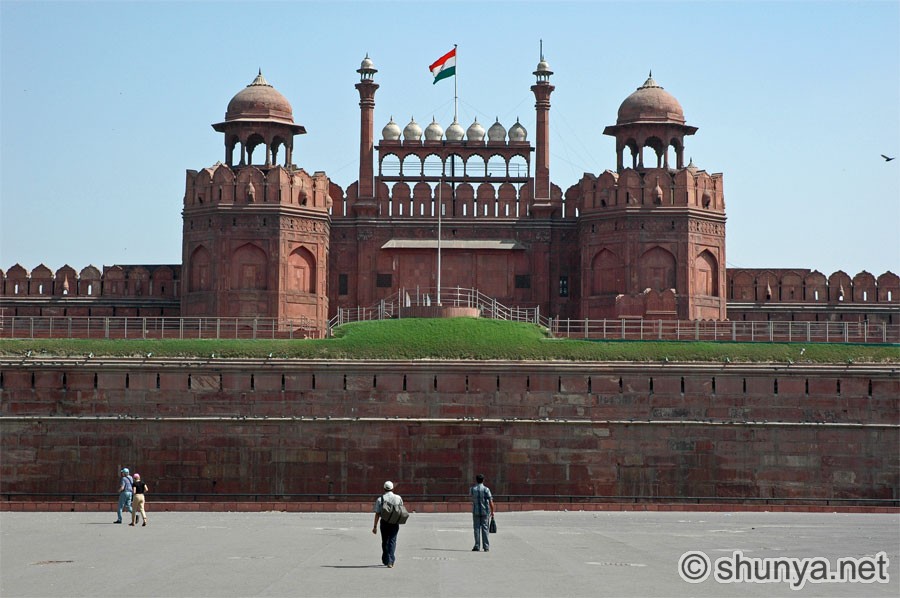
  9. Shahjahanabad, the walled city built by Shah Jahan from 1638 to 1649, containing the Lal Qila and the Chandni Chowk. It was the capital of the Mughal Empire during Shah Jahan's reign. It is presently referred to as "Old Delhi".
  10. Lutyens' Delhi or New Delhi, the city built by the British on the south-west, declared Capital on 12 December 1911. On 12 December 2011 New Delhi celebrated 100 years of serving as India's National Capital.[8]

Early Political History of Delhi, 1060-1947
Modern Delhi, referred to as 'Dilli' locally, derived from its historical name Dhili, is an amalgam all of the above. Officially, however, only seven of the above-mentioned settlements are recognized.[9]as historical cites with distinct identities and indigenous heritage: Qila Rai PithoraMehrauliSiri,TughlaqabadFerozabadDinpanah and Shahjahanabad.
The rest are not officially identified as Cities of Delhi because of some specific reasons.
  • Indraprastha, the legendary Ancient City is believed to have been established 5000 years ago (c. 2800 BC), as per the ancient Indian text- the Mahabharata. Though very much a part of India'svery Ancient history, it lacks any tangible evidence to say without doubt that it existed. Archaeological evidence exists, but in such scarcity as be inconclusive. As acknowledged by Britishhistorian Michael Wood in his BBC documentary The Story of India,[10] the excavated ceramic pottery from the site of today's Purana Qila in Delhi and the excavated layers of the ancient city seem to match what the verses of the Mahabharata indicate. More possible evidence in its favour is the existence of a village named Indraprastha very close to the Purana Qila that was destroyed by the British during the construction of Lutyens' Delhi.[11]
  • Jahanpanah is not considered as a City of Delhi because it is very much in ruins and too diffused now to be considered a distinct city. Moreover, sections of the city still standing are now counted in Siri or Mehrauli.
  • Lodi Complex is not counted as a distinct city because their architectures are too few to be counted as a whole city. The Sayyid and Lodhi dynasties that followed the Tughlak dynasty were far more concerned with restoring stability than patronisation of arts or architecture. Tombs erected in the honour of the rulers are the only monuments of these times and these are scattered all over current South and Central Delhis.[12]
  • New Delhi, the Capital city of modern India is also not counted as a City of Delhi because the structures of those times are still in use as government buildings. So there seems no such thing as "history" about it.

new information © 2013. All Rights Reserved | Powered by-Blogger

Designed by-Windroidclub